


Easy Plant-based eating and healthy aging
As we move through different stages of life, our nutritional needs change. For older adults, this often means needing more protein and certain vitamins and minerals, while actually requiring fewer calories overall.
Research has shown that a plant-based diet can be a powerful way to support healthy ageing - older adults who follow a plant-based diet may have a lower risk of chronic conditions such as heart disease, high blood pressure, Type 2 Diabetes, and some cancers. Plant-food like vegetables, fruits, whole grains, beans, soy products, nuts, and seeds are lower in saturated fat but naturally rich in fibre, antioxidants, and other plant compounds that support long-term health in ways that go beyond calories alone.
What to focus on as you age?
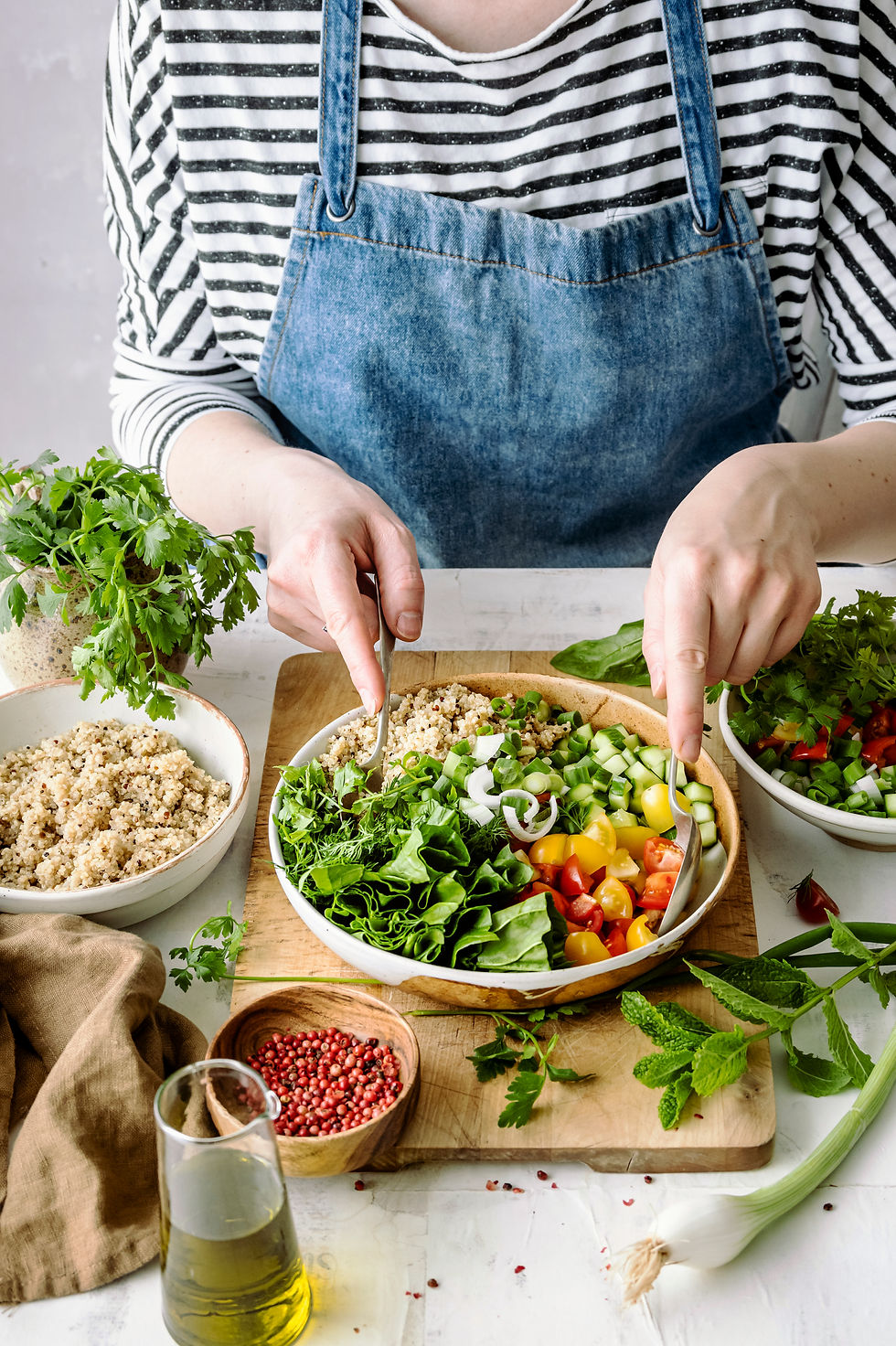
With a focus on variety, balance, and a few key nutrients, you can give your body what it needs - not just to age, but to age well. The simplest approach is often the best, which can be done by filling your plate with a colourful mix of:
Fruits and vegetables
Whole grains
Beans and legumes
Nuts and seeds
These everyday foods can go a long way in helping your body stay strong, energised, and resilient.
Key nutrients to keep in mind
While a plant-based diet offers many benefits, there are a few nutrients that deserve extra attention as you get older:
Protein – Important for maintaining muscle strength and preventing frailty
Calcium – Supports bone health
Vitamin D – Helps your body absorb calcium and maintain bone density
Vitamin B12 – Essential for nerve function and energy levels
A gentle approach to healthy ageing
A balanced and thoughtful diet is what you need. Try to:
Include a source of plant protein in each meal (like tofu, beans, or lentils)
Add calcium-rich foods such as leafy greens, tofu, or fortified plant milk
Spend a little time outdoors for natural vitamin D
Keep meals simple, enjoyable, and varied


Comments