


Raising Plant-Powered Kids: A Guide for Parents
Can children thrive on a plant-based diet? The answer is yes - a well-planned plant-based diet can support healthy living at every stage of life, including childhood and adolescence.
Building healthy habits early
During childhood, parents play an important role in shaping eating habits. Introducing a plant-based diet early can expose children to a wide variety of flavours, textures, and foods beyond the typical menu.
A balanced plant-based diet—rich in fruits, vegetables, whole grains, legumes, nuts, and seeds—provides:
Essential vitamins and minerals
Plenty of dietary fibre
Healthy fats that support growth and development
These habits can set the foundation for a lifetime of healthy eating.
What should a balanced plate look like?
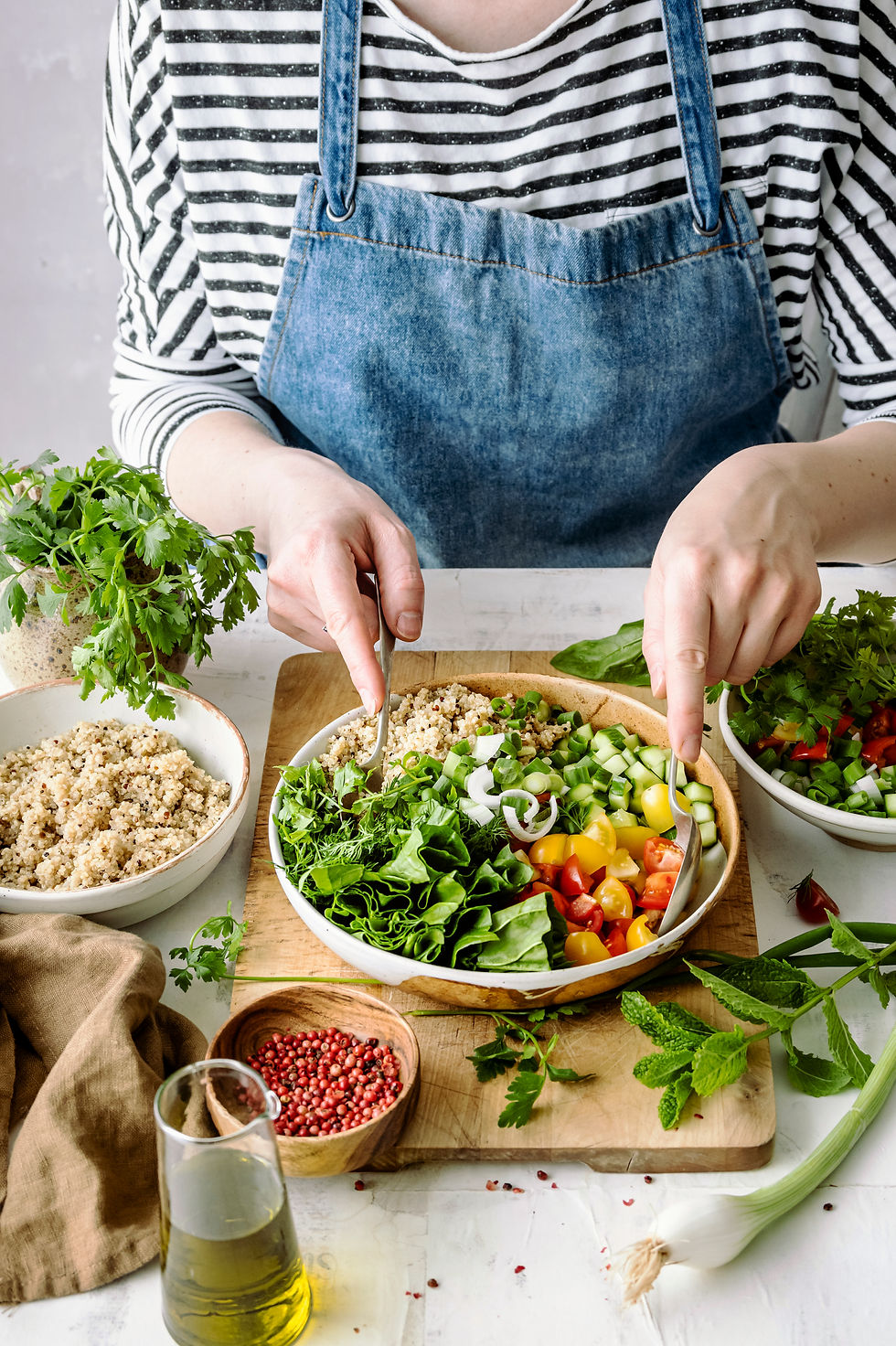
Plant-based eating can be a healthy, enjoyable choice for children and teens when it’s balanced, varied, and thoughtfully planned. With the right approach, families can create meals that are not only nutritious—but also fun, colourful, and full of flavour.
A nutritious plant-based diet for children and teens should include:
Grains: rice, oats, wheat
Proteins: beans, lentils, chickpeas, tofu, soy
Fruits and vegetables: a variety of colours daily
Healthy fats: nuts, seeds, and plant oils
Simple, family-friendly meals include stews, curries, soups, spreads, and homemade burgers—easy to prepare and full of nutrients.
What about processed vegan foods?
Plant-based eating has never been more convenient, with supermarket shelves now stocked with vegan burgers, sausages, cereals, and dairy alternatives. While these can be helpful on busy days, it’s important to:
Read labels carefully
Check and avoid added sugar, salt (sodium), and artificial ingredients
Choose options with better nutritional value, such as fortified plant-based milk, yogurt, and breakfast cereals.
That said, whole foods should always be the main focus. Highly processed foods are best enjoyed occasionally rather than every day.
Tips for picky eaters
If your child is a selective eater, you’re not alone. Here are quick tips to make plant-based meals more appealing:
Start small – Introduce one new food at a time
Begin with familiar foods – Add plant-based proteins to foods your child already likes
Catch the eyes – Bright, colourful, fun plates can make food more appealing
Drink your greens – Smoothies are an easy way to add extra nutrients
Get them involved – Cooking together builds curiosity and confidence
Be patient – It can take several tries for a child to accept a new food
Make it fun – Try finger foods, dips, or build-your-own meals
Praise effort – Encourage trying, even small bites
A Sample Day: Plant-based eating for a 10-year-old
Here’s what a balanced day might look like: to be added.

Comments